

Cannabis and Brain Health: New Research, Big Restocks & Incredible Deals!
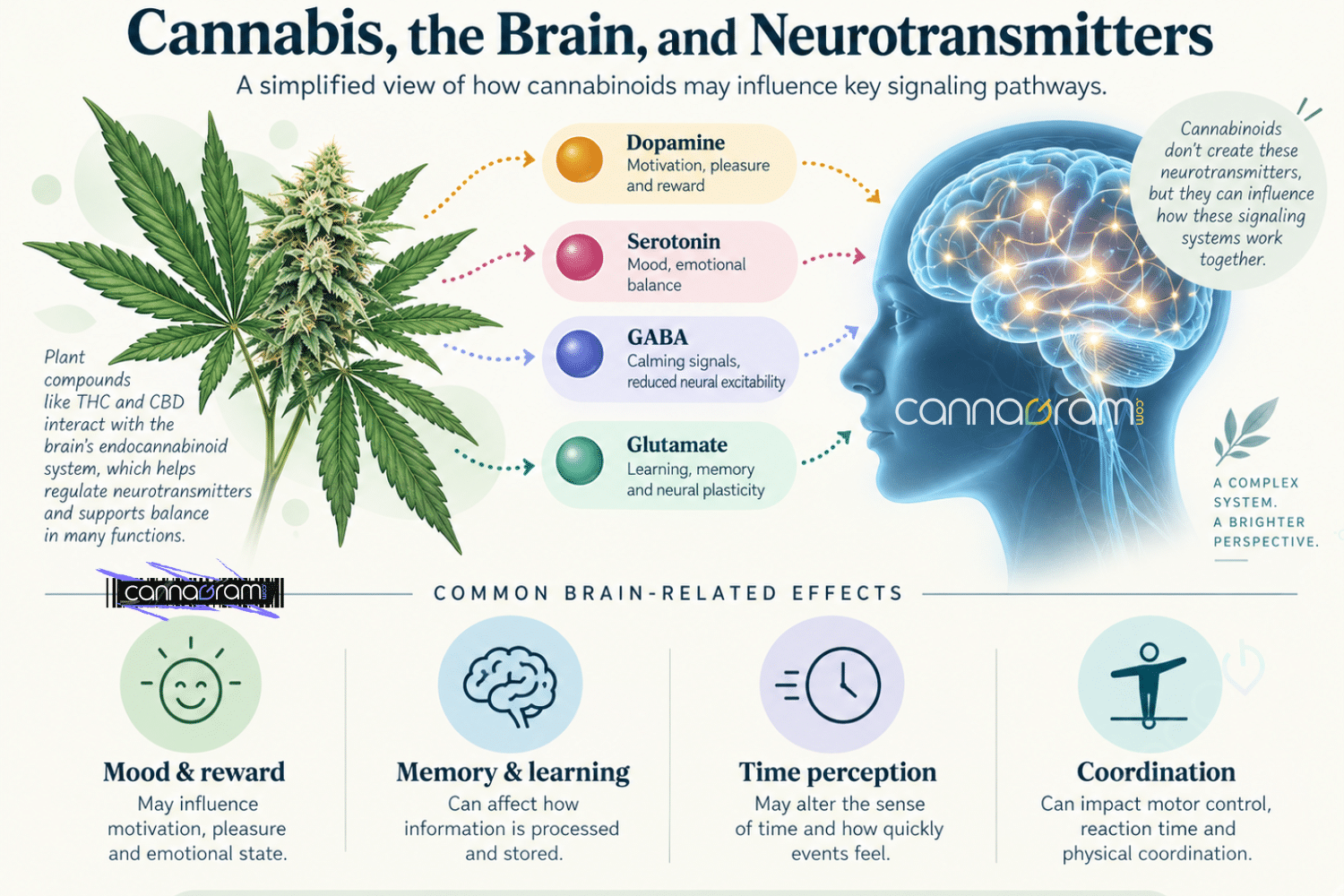
Cannabis and brain health is a subject that deserves more than headlines. Researchers are studying how cannabinoids interact with the nervous system, how recent use can affect memory and attention, and whether carefully controlled cannabinoid formulations may have a role in specific clinical settings. The most useful way to follow that work is to separate emerging evidence from assumptions about everyday retail products.
A major new development is the 2026 LiBBY clinical trial reported by the Alzheimer’s Association International Conference. The Phase 2 study evaluated a specific oral combination of THC and CBD in people with late-stage dementia who were eligible for hospice care and experiencing significant agitation. Its topline findings are encouraging, but they do not mean that cannabis flower, pre-rolls, edibles or other dispensary products treat Alzheimer’s disease or dementia.
At the same time, the Centers for Disease Control and Prevention notes that cannabis can temporarily affect memory, learning, attention, decision-making, coordination, emotions and reaction time. Product type, cannabinoid concentration, serving size, frequency of use, personal tolerance and age can all influence the experience.
This guide explains seven useful takeaways from the latest discussion, shows adults how to read product information more thoughtfully, and connects Sacramento readers with current Cannagram restocks and offers without making medical promises.
- The LiBBY findings concern a controlled clinical formulation and a narrowly defined patient population.
- Retail THC and CBD products are not interchangeable with an investigational treatment.
- Adults 21+ should use cannabis responsibly and follow California law.
This article is educational and is not medical advice. Never use a recreational cannabis product as a substitute for professional diagnosis or treatment.
Cannabis and Brain Health: What THC and CBD Actually Do
Cannabis contains many compounds, but THC and CBD receive the most attention. Both interact with the body’s endocannabinoid system, a signaling network involved in processes such as mood, sleep, appetite, pain perception and memory. Their effects are not identical.
THC is intoxicating. It can change perception and mood, and recent use can temporarily affect attention, short-term memory, coordination, reaction time and decision-making. CBD is not intoxicating in the same way, but “non-intoxicating” does not mean that every CBD product is risk-free or appropriate for every person. Formulation, serving size, other ingredients, medications and individual health all matter.
The CDC’s cannabis and brain health guidance emphasizes that impact depends on factors including THC concentration, frequency of use, age of first use and whether cannabis is combined with substances such as alcohol. Developing brains are especially vulnerable, which is one reason Cannagram content and products are intended only for adults 21 and older.
It is also important to distinguish short-term impairment from questions about long-term cognitive health. Research can identify associations, but genetics, underlying health, sleep, stress, environment and other substance use may influence the results. A headline rarely tells the whole story.
Research Products and Retail Products Are Different
Clinical studies use defined formulations, measured doses, eligibility criteria and medical monitoring. A product on a licensed adult-use menu may have a completely different cannabinoid ratio, delivery method and purpose. Adults comparing flower, pre-rolls, edibles, vapes or tinctures should read the package label instead of assuming that a product matches something used in a study.
For broader product education, visit Cannagram’s cannabis flower guide. It explains common terminology and quality factors without treating THC percentage as the only measure of value.
What the 2026 LiBBY Trial Found
The LiBBY trial is important because it studied a population that is often difficult to include in clinical research: people with advanced Alzheimer’s disease or another dementia who were eligible for hospice care and had clinically significant agitation.
According to the Alzheimer’s Association’s report on the LiBBY trial, the multicenter Phase 2 study was randomized, double-blind and placebo-controlled. It followed 120 participants for 12 weeks and evaluated a specifically prepared oral THC/CBD formulation. Researchers measured changes in agitation and overall clinical improvement.
The reported topline results showed a statistically significant reduction in agitation compared with placebo after two weeks, with benefits sustained through week 12. At the end of the study, researchers reported overall improvement in the target symptoms for nearly nine out of ten participants receiving the formulation. Adverse events occurred in both groups, and the complete clinical context remains essential when interpreting the findings.
Why the Result Needs Careful Context
This was a targeted clinical trial, not a test of ordinary dispensary products and not a general recommendation for people with memory concerns. The participants had advanced dementia, the cannabinoid ratio and dose were controlled, and the intervention was administered within a research protocol.
Conference results are an important step, but scientists and clinicians still need complete published data, replication and longer-term evidence. The study also focused on agitation in a particular end-of-life population; it did not show that cannabis prevents dementia, restores memory or broadly improves brain health.
The responsible takeaway is both hopeful and limited: cannabinoids continue to be studied in medicine, and a controlled THC/CBD formulation produced promising results for a specific symptom in a specific population. That finding should encourage better research—not medical claims about recreational cannabis.
7 Things to Know About Cannabis, Cognition and Product Choices
- “Cannabis” is not one standardized product. Flower, pre-rolls, beverages, edibles, vapes and tinctures can differ dramatically in cannabinoid concentration, ingredients, onset and duration. Even products in the same category may produce different experiences.
- A clinical THC/CBD ratio cannot be recreated by guessing. Research formulations are manufactured and administered for a study protocol. Choosing a retail product with THC and CBD on the label does not make it equivalent to the LiBBY intervention.
- Higher THC does not automatically mean higher quality. Potency describes concentration, not freshness, flavor, formulation quality or personal suitability. Terpenes, cannabinoid balance, testing, packaging and consistency also deserve attention.
- Recent use can affect cognition and coordination. Memory, attention, reaction time, time perception and decision-making may be temporarily impaired. This is especially relevant before driving, working, cooking or operating equipment.
- Method and timing matter. Inhaled products generally act faster than edible products. Edibles can take longer to produce noticeable effects and may last longer than expected, making patience and label awareness important.
- Personal responses vary. Tolerance, metabolism, food, sleep, medications, experience and the use of alcohol or other substances can change the response. Another person’s preferred product or serving is not a reliable guide for you.
- Current information is better than static recommendations. Inventory, cannabinoid profiles, package dates and promotions change. Adults can browse Cannagram’s live menu to compare currently available products and use the package label as the final source of product-specific information.
How to Compare Products Without Chasing a Medical Claim
Start with the experience and format you already understand. Compare cannabinoid information, serving size, ingredients, testing details and package date. For inhaled products, consider the flower or extract used and whether the format is classic or infused. For edibles and beverages, pay close attention to the amount per serving and the total amount in the package.
When value is part of the decision, check Cannagram’s current deals instead of relying on a price quoted in an article. Live pages reflect new restocks and active offers more accurately than evergreen blog copy.
Responsible Cannabis Use in California
Brain health is one reason responsible use belongs in every cannabis conversation. The California Department of Cannabis Control explains that a person’s response can depend on tolerance, THC content, amount consumed and method of consumption. Legal access does not eliminate impairment or other risks.
- Adults only: recreational cannabis products are for adults 21 and older. Keep all cannabis away from children and pets.
- Start with less and wait: follow the package directions and avoid taking more simply because effects are not immediate. Edibles can take considerably longer than inhaled products.
- Do not drive impaired: cannabis can affect reaction time, coordination and judgment. Driving under the influence is unsafe and illegal.
- Avoid mixing substances: combining cannabis with alcohol or other intoxicants can increase impairment and make effects harder to predict.
- Store products securely: retain the original, child-resistant packaging and keep products out of sight and reach.
- Choose licensed retailers: licensed California retailers must follow testing, labeling and age-verification requirements.
The state’s What’s Legal guide also explains where cannabis may be used, transportation rules and why products should come from licensed businesses. Local rules and private-property policies can be more restrictive.
When a Health Professional Should Be Part of the Conversation
Anyone considering cannabis in connection with a diagnosed condition, prescription medication, pregnancy, breastfeeding or a history of substance-use or mental-health concerns should speak with a qualified health professional. Recreational product descriptions and blog posts cannot account for an individual medical history.
If cannabis produces severe or unexpected symptoms, stop using it and seek appropriate help. Educational information is valuable, but safety decisions should be based on the product label, current government guidance and professional care when needed.
Fresh Cannabis Restocks, Current Deals and Sacramento Delivery
Research news can help adults ask better questions, but choosing a retail product still comes down to current labels, personal preferences and responsible use. Cannagram makes that comparison easier by keeping product discovery, offers and local delivery information connected to live pages.
Use the Live Menu as Your Product Source
Visit the Cannagram menu to explore current flower, pre-rolls, edibles, beverages, vapes, tinctures and other adult-use formats. Product availability changes as new items arrive, so the menu is more reliable than a static list inside a blog article.
As you browse, compare the cannabinoid panel, serving information, ingredients, package size and product description. A balanced label may be more useful than simply choosing the highest THC number. Nothing on the menu should be interpreted as a treatment for dementia, memory loss or another medical condition.
Check Today’s Offers Before Ordering
The Cannagram deals page is the best place to see active promotions and discover fresh restocks. Linking to the live page keeps this guide useful even as prices, brands and inventory change.
Customers can also use the delivery coverage page to confirm whether Cannagram serves their Sacramento-area address and to review the current ordering requirements. Delivery windows and availability can vary by location and demand.
Research Carefully. Shop Thoughtfully.
The LiBBY trial adds an important chapter to cannabinoid research, but it is not a shortcut to a medical conclusion. For adult-use shopping, focus on accurate labels, a format you understand and a serving appropriate for your experience. For medical questions, rely on qualified health professionals.
Explore Cannagram’s current menu, new restocks and available products. Adults 21+ only. Use responsibly, follow state and local laws, and never drive impaired.
Cannagram — We Bring the Mood!
Frequently Asked Questions About Cannabis and Brain Health
What does research say about cannabis and brain health?
Can dispensary cannabis products treat dementia?
What was the LiBBY trial?
How can adults use cannabis responsibly in California?
Get Even More with the Cannagram App – Download Now!
Looking for the easiest way to order? The Cannagram app makes it even more convenient to shop your favorite cannabis products on the go.
With the Cannagram app, you get:
Exclusive in-app deals and promotions
Real-time order tracking
Fast reordering from your favorites
Access to our full menu of flowers, vapes, edibles, pre-rolls, concentrates, and more
Get started today and receive a special welcome offer when you download the app!
Sacramento’s Most Trusted Cannabis Delivery
Shop a curated menu of top-shelf flower, flavorful vapes, tasty edibles, and wellness essentials—ordered in minutes, delivered the same day. Our pro couriers make quick, discreet drop-offs with smooth online checkout and real-time updates. We serve Sacramento, Roseville, Citrus Heights, and nearby areas with dependable service and fair pricing.
Explore the menu and book your same-day delivery now.

We Bring the Mood!
With Cannagram, this dream becomes a reality. Our dedicated team is committed to ensuring your products reach you efficiently and discreetly, providing the convenience you deserve. But the Cannagram experience goes beyond just quality delivery. As our cherished customer, you become part of our Advantage Club, where you’ll enjoy daily exclusive discounts and promotions. We’re dedicated to enhancing your cannabis journey and making it even more delightful. At Cannagram, we prioritize quality, safety, and customer commitment. Our extensive product range caters to various preferences and needs, guaranteeing you’ll find precisely what you’re looking for. So, if you’re in Sacramento and seeking the ultimate cannabis product experience, look no further. Join the Cannagram community and unlock a world of quality, convenience, and incredible benefits. We’re eager to serve you and make your cannabis journey truly memorable. Welcome to Cannagram, We Bring the Mood! CLICK HERE AND VISIT THE SHOP or follow us on our main social networks via the footer links.